Dairy Production Line Configuration: How to Select the Right 500L Cooling Tank Without Overpaying
Why 500L Cooling Tank | Core Equipment Modules | Layout Design Steps | Capacity Planning | Compliance Standards | FAQ | CTA
🏭 Manufacturer | Sample Available | 🛠 Lifetime Technical Support | Worldwide Supply
Discover expert advice, product reviews, and helpful guides to make informed purchasing decisions for all your needs.
Why 500L Cooling Tank | Core Equipment Modules | Layout Design Steps | Capacity Planning | Compliance Standards | FAQ | CTA
What Exactly Is a Beverage Turnkey Project? Scope and Definitions | Pre-Commitment Checklist: Site, Utilities, and Infrastructure | Equipment Specification Checklist for Beverage Production Lines | Documentation and Compliance Checklist for Beverage Manufacturing | Post-Installation: Commissioning, Training, and Support Checklist
Why Pasteurized Milk Investment Remains a Strong Business Case | Pasteurized Milk Line Equipment: HTST vs HTMP Systems Compared | Investment Tiers: Small, Medium, and Large-Scale Pasteurized Milk Lines | Operational Costs and Margin Analysis for Pasteurized Milk Production | Scaling Up: When to Expand Your Pasteurized Milk Processing Capacity
A financial and technical guide to investing in a pasteurized milk production line, with cost breakdowns and profitability analysis.
A detailed breakdown of UHT milk processing equipment costs in 2026, including capacity-based pricing and manufacturer comparison.
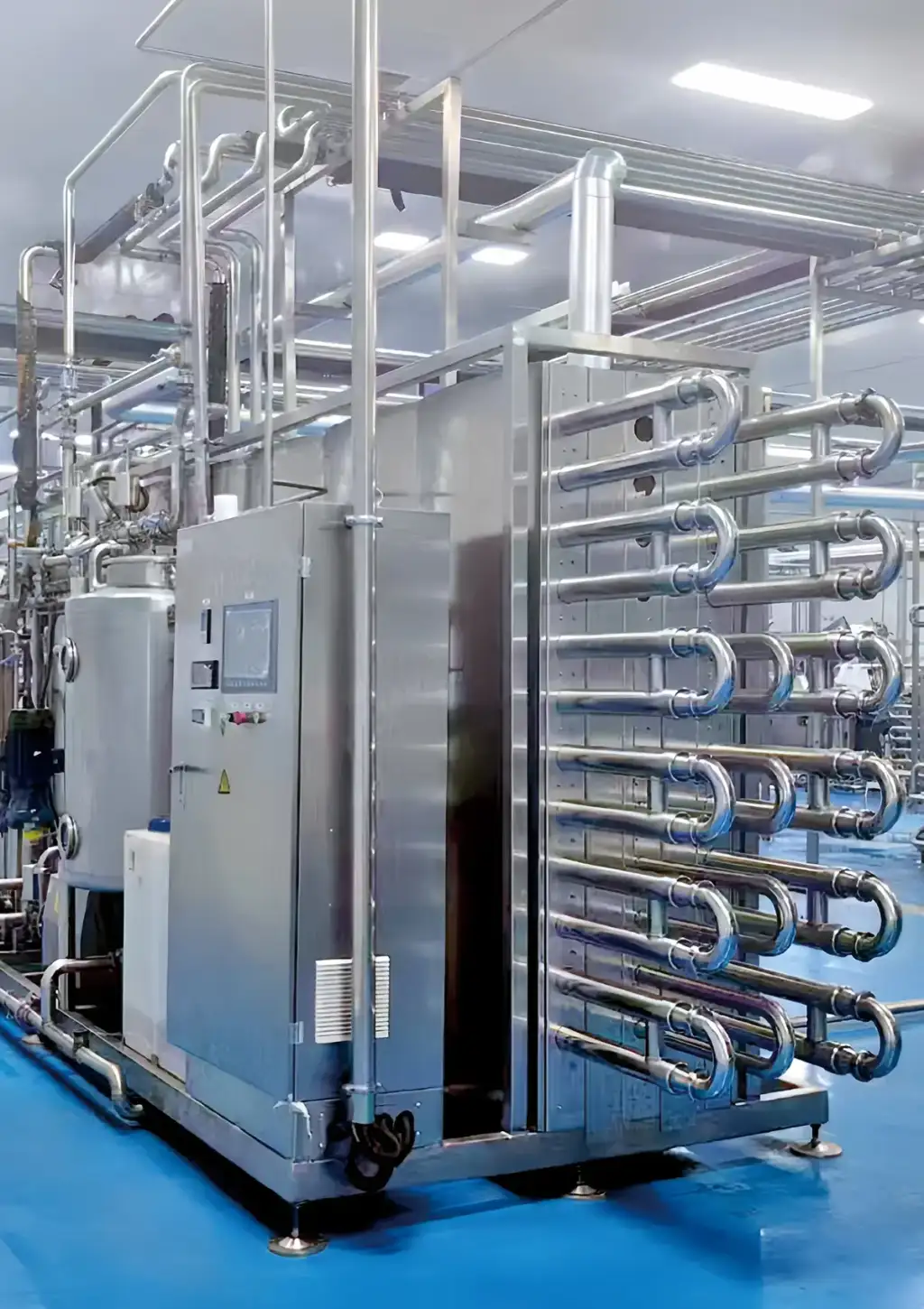
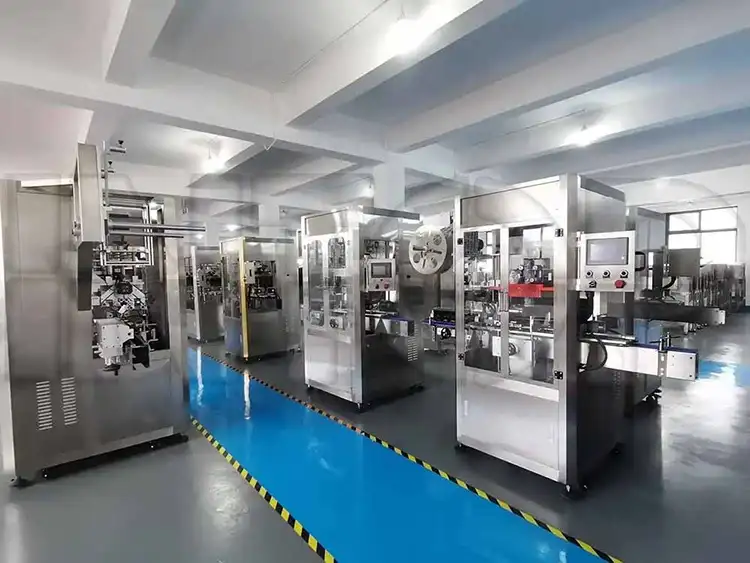
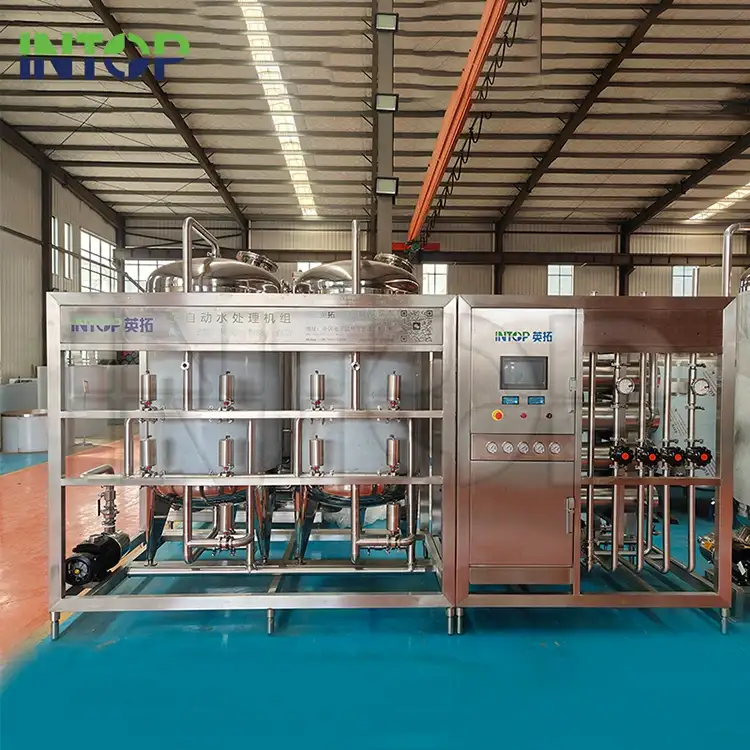
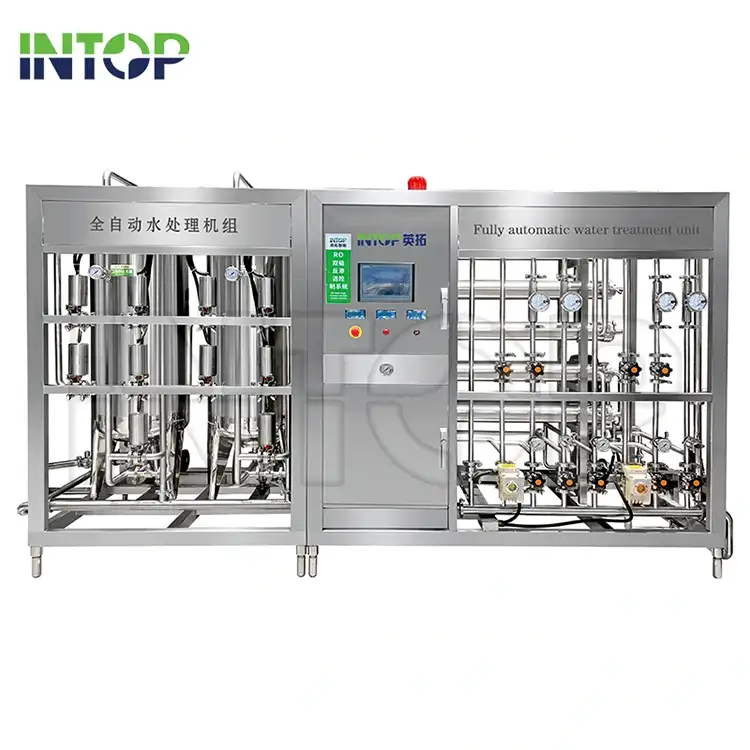
This guide covers everything you need to know about configuring a dairy production line in 2026, including equipment lists, capacity planning, and cost estimates.
A practical guide for entrepreneurs looking to start a yogurt manufacturing plant in 2026, covering equipment, costs, and regulatory basics.
Many food and dairy processing buyers consider used machines to reduce initial investment, especially when starting a new project or entering a new market. At first glance, a second-hand machine may appear to offer quick savings. However, real project experience shows that lower upfront cost often comes with higher long-term risks. Used machines frequently face issues such as unstable output, worn components, outdated control systems, and lack of standardized spare parts. Without proper technical documentation or after-sales support, buyers may need costly modifications, repeated adjustments, and external technicians—leading to production delays and unexpected expenses. In contrast, new machines provide standardized design, reliable performance, and long-term technical support. While the initial price may be higher, predictable operation, energy efficiency, and guaranteed spare parts reduce total ownership cost over time. Choosing the right machine is not about price alone, but about stability, service, and sustainable production success.
By completing sterilization upstream and using cold filling with bottle disinfection, this solution avoids PET deformation, reduces energy consumption, and minimizes investment cost.